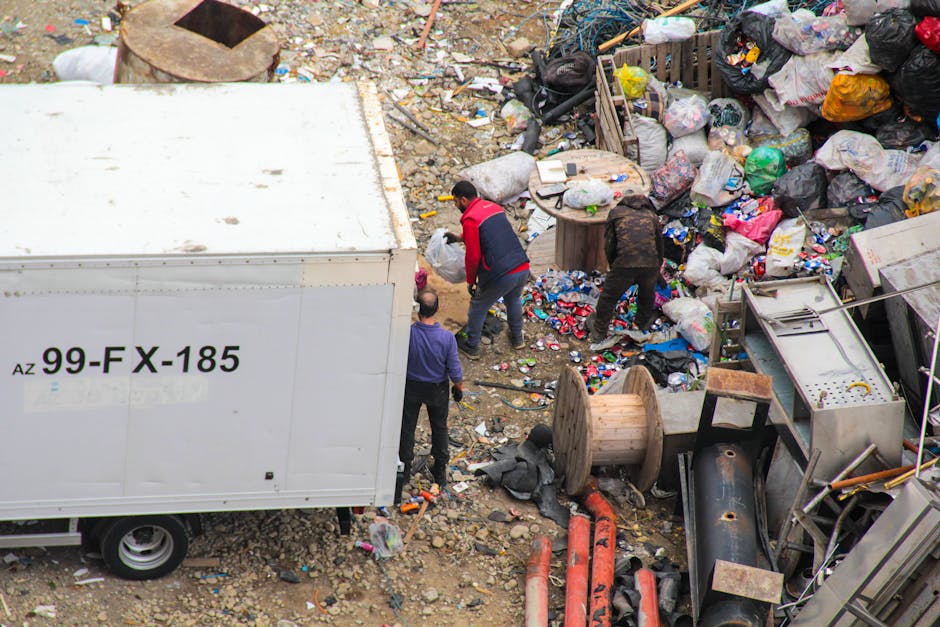
Peckham flat rubbish collection near Peckham Rye: a practical local guide for busy households
If you are trying to arrange Peckham flat rubbish collection near Peckham Rye, chances are you want one thing above all: the rubbish gone without turning your stairwell, hallway, or whole Saturday into a drama. Fair enough. Flats can be awkward, skips are often impractical, and bulky waste has a knack for appearing at the worst possible moment. A proper collection service should make the process feel straightforward, tidy, and respectful of your building, neighbours, and time.
This guide walks through how flat rubbish collection works in Peckham, why it matters in a place like Peckham Rye, what to expect on the day, and how to avoid the usual headaches. You will also find a comparison table, a checklist, common mistakes, and a few practical notes that usually save people time and hassle. Let's keep it simple and useful.
Why Peckham flat rubbish collection near Peckham Rye Matters
Peckham Rye sits in a part of South London where space is precious, access can be tight, and shared buildings often need a bit of coordination. That changes the game. Flat rubbish collection is not just "take the stuff away"; it is about moving unwanted items out of an indoor setting with minimum disruption and minimum risk of damage.
In a flat, rubbish builds up quickly. One wardrobe flat-pack carton becomes three. A broken chair gets parked by the window. Then an old mattress waits in the bedroom because you do not want to wrestle it down two flights of stairs alone. Before long, the place feels smaller, messier, and oddly harder to use. Truth be told, clutter has a way of spreading into your head as well as your hallway.
This matters even more near Peckham Rye because many residents are balancing work, family, and busy local routines. If you live in a conversion flat, a mansion block, or a new-build apartment, the route from front door to pavement can be a nuisance. A well-planned collection avoids blocked entrances, awkward lifts, and unhappy neighbours. That is the real value.
It also helps when you are dealing with an end-of-tenancy clear-out, a sudden furniture replacement, or a long-overdue declutter. The aim is not just to remove rubbish. It is to restore usable space quickly and cleanly, without adding another job to your week.
How Peckham flat rubbish collection near Peckham Rye Works
A good flat rubbish collection usually starts with a quick description of what you need removed. You list the items, note any access issues, and mention whether there are stairs, a lift, parking restrictions, or timed building entry. From there, the collection is scheduled around your availability and the practical realities of your building.
On the day, the crew typically arrives with the right vehicle and lifting equipment for the job. They assess the load, confirm access, and remove items from the flat carefully. For a job in Peckham Rye, that can mean navigating narrow stairwells, lifting large furniture around corners, or handling shared entrances with care. It sounds mundane. But those details matter a lot.
Collection services are generally better suited to flats than a skip because you do not need to find curb space for a large container, and you avoid the visual mess of a skip outside for days. That can be especially handy where pavement space is limited or where you simply do not want to upset the neighbours. Nobody enjoys living beside a skip that seems to breed faster than expected.
Depending on what is being removed, the provider may sort items for reuse, recycling, or disposal. That is especially useful for furniture, white goods, mixed household rubbish, and other bulky waste. Services such as flat clearance, rubbish collection, and rubbish removal often overlap in practice, but the key difference is usually scale and how much needs to be taken away in one visit.
For larger or more mixed jobs, it can also make sense to look at waste clearance or broader waste removal options. If there are broken sofas or worn-out chairs in the mix, a dedicated sofa removal service can be useful too.
Key Benefits and Practical Advantages
There are a few reasons people choose flat rubbish collection rather than trying to manage everything themselves. Some are obvious, but some only become obvious after you have done it the hard way once or twice.
- Less lifting and less stress: Heavy items are removed by people who do this regularly, which reduces the risk of strain or injury.
- Better for flats with limited access: If parking is tight or there is nowhere sensible for a skip, a collection team is often the simpler option.
- Faster turnaround: You can usually clear a flat in a single visit rather than waiting around for multiple trips to the tip.
- Less disruption for neighbours: A tidy in-and-out collection is easier to live alongside than a skip, piles of bags, or repeated DIY load-outs.
- More suitable for bulky mixed waste: Sofas, wardrobes, broken tables, and general rubbish can often be dealt with together.
- Cleaner final result: A proper clearance should leave the space ready for cleaning, decorating, moving out, or re-letting.
Another practical plus is decision-making. Once the collection is booked, you are not stuck in endless "I'll do it next weekend" mode. That matters more than people admit. Momentum helps. And when the hallway is finally clear, the whole flat tends to feel calmer, lighter, and easier to manage.
For landlords, letting agents, and tenants ending a tenancy, this can be especially valuable. A clear flat is easier to inspect, photograph, and hand over. For homeowners, it can be the difference between a stalled renovation and a project that actually moves forward.
Who This Is For and When It Makes Sense
Peckham flat rubbish collection near Peckham Rye is a good fit for people dealing with a clear practical problem, not just a vague desire to tidy up. It is ideal when you have items that are too bulky, too many, or too awkward for normal bins.
Typical users include:
- tenants at the end of a lease who need to clear leftover belongings
- landlords preparing a flat for new occupants
- homeowners replacing furniture or clearing a room before renovation
- flat sharers who have accumulated shared rubbish in common areas
- older residents who need help with bulky lifting
- small local businesses using flats or mixed-use premises nearby
It also makes sense if the items are becoming a safety issue. A crowded hallway, a blocked fire escape route, or a stack of broken furniture near a door should not be left sitting there. There is a practical side to this and a safety side too.
Sometimes people only need one sofa taken away. Sometimes it is a full household load after years of living in the same place. If the job is more like a wider property clear-out, services such as home clearance or house clearance may be more appropriate. If it is a more specific furniture job, furniture disposal can be the cleaner route.
To be fair, if you are only dealing with one small bag of general rubbish, the service may be more than you need. But once you are dealing with heavy, mixed, or awkward items, the balance shifts very quickly in favour of a collection.
Step-by-Step Guidance
If you want the process to go smoothly, a little preparation goes a long way. Here is the practical version.
- List everything that needs removing. Be specific. "Old furniture and bags" is less helpful than "two chairs, one mattress, four bin bags, and a dismantled desk."
- Check access. Note the floor level, lift size, parking availability, entry codes, and whether there are stairs or narrow landings.
- Separate anything you want to keep. It sounds obvious, but this is where mistakes happen. One thing left by the door can disappear into the wrong pile if you are not careful.
- Take apart what you safely can. A dismantled bed frame is usually easier to move than a fully assembled one. Just do not force it if screws are stripped or panels are awkward.
- Group items together. Put everything in one room or one clear area if possible. That helps the collection team work faster and reduces back-and-forth through the flat.
- Confirm any building rules. Some flats have time windows for collections, concierge requirements, or restrictions on lift use.
- Have a quick final walk-through. Check cupboards, balcony storage, under the bed, and behind doors. People forget things there all the time.
On collection day, stay reachable in case the team needs a quick access update. If a van cannot stop directly outside, or the lift is out of order, a small adjustment may be needed. Nothing dramatic. Just the sort of thing that keeps the job moving.
If you are clearing a building with multiple flats, coordinate with neighbours where necessary. A 20-minute delay from another resident can snowball if everyone is trying to leave at once. London life, eh.
Expert Tips for Better Results
In our experience, the best collection jobs are the ones where the customer has thought through the small practical things. Nothing fancy. Just a bit of prep.
Tip 1: Put the hardest items closest to the exit. Heavy wardrobes, mattresses, or sofa sections should not be buried behind lighter bags. The less reshuffling, the better.
Tip 2: Use a clear "keep" zone. If you are sorting as you go, create one space that is absolutely off-limits. That reduces accidental removal and saves awkward last-minute panic.
Tip 3: Photograph anything unusually large. A quick photo helps clarify dimensions, shape, and access. That is especially useful for awkward items with odd frames or fixed pieces.
Tip 4: Tell the provider about lift restrictions early. Some lifts are small, slow, or vulnerable to damage. If the crew knows this beforehand, they can plan properly.
Tip 5: Be honest about the volume. It is tempting to underestimate. We all do it. But if the load is bigger than expected, the collection may need more time or a different vehicle plan.
Tip 6: Think about finish, not just removal. If the room will be repainted or photographed for a move-out inspection, mention that. The team can be more careful around walls, corners, and skirting boards.
And one more small thing: if you are clearing after a long stretch of not dealing with the space, expect a bit of dust and a few random discoveries. Old chargers, forgotten cutlery, maybe one shoe. It happens. Don't be surprised.
Common Mistakes to Avoid
Most problems with flat rubbish collection are avoidable. They are not usually technical problems; they are planning problems.
- Leaving the booking too late: If you need the flat cleared before a move-out, leave enough time for access issues or a second pass if needed.
- Underestimating the amount of waste: One room of clutter often expands into three once sorting begins.
- Forgetting building restrictions: Some blocks have limited collection windows or difficult loading arrangements.
- Mixing keeps and disposal items: This is the classic mistake. Keep anything important in a clearly separate place.
- Not checking what the crew will take: If you have unusual waste, ask in advance rather than assuming.
- Ignoring awkward furniture dimensions: A sofa that looks fine in the room may still be a nightmare through the stairwell.
- Leaving the final tidy-up for later: Once the bulky items are gone, dust and debris are easier to handle. If you wait too long, the room loses momentum.
The last point sounds small, but it is not. A quick sweep or vacuum after collection makes the space feel finished. Not perfect, just done. And that feeling is often what people are after.
Tools, Resources and Recommendations
You do not need a lot of specialist equipment for this, but a few basic tools can make the job smoother.
- Strong bin bags: Helpful for loose rubbish, soft clutter, and smaller items.
- Box cutter or screwdriver set: Useful for dismantling furniture safely, if appropriate.
- Gloves: Good for dusty items, cardboard edges, and general handling.
- Tape and marker: Handy for labelling what stays and what goes, especially in shared flats.
- Phone camera: Take pictures of bulky or unusual items if you want to explain the job clearly.
- Measuring tape: A simple way to check whether an item will fit through the lift or stairwell.
From a service point of view, it helps to compare the exact need before booking. If the job is mostly one-off mixed rubbish, rubbish clearance may be enough. If it involves lots of old fixtures, bags, and mixed household items, broader waste collection can be more suitable. For items that are mainly old seating or lounge furniture, sofa removal is often the neatest fit.
If you are comparing providers or just want to understand how the company positions its services, the pages on about us and terms and conditions can also help set expectations. That is boring admin, granted, but useful admin.
Law, Compliance, Standards, or Best Practice
For rubbish collection in the UK, the main practical issue is to make sure waste is handled responsibly. You do not need to memorise legal jargon to benefit from that. The simple rule is: use a provider that understands correct disposal, keeps the work tidy, and treats waste sensibly rather than dumping everything together and hoping for the best.
If you are a tenant, landlord, or managing agent, it is also wise to think about who is responsible for the waste and whether anything needs to be documented. In shared properties, communication matters. In managed buildings, access permissions matter. And if the flat contains anything that seems hazardous, it should be handled with extra care and flagged in advance.
Best practice usually includes:
- clear item descriptions before booking
- safe lifting and moving practices inside the property
- careful attention to walls, floors, and communal areas
- separation of reusable, recyclable, and disposable items where possible
- transparent expectations about what is being removed
If you are dealing with refurbishment debris rather than household clutter, a more specific service like builders waste may be more appropriate. Likewise, for business premises, business waste is a better fit than a general household clear-out.
The key thing is not to overcomplicate it. Just make sure the service you choose matches the job, the property type, and the access situation. That alone prevents most issues.
Options, Methods, or Comparison Table
Here is a simple comparison to help you choose the right approach for a Peckham flat. The best option depends on volume, access, and how hands-on you want to be.
| Method | Best for | Advantages | Drawbacks |
|---|---|---|---|
| Self-transport to a waste facility | Small loads and people with a van or car | Can be cost-effective for tiny jobs | Time-consuming, heavy lifting, parking and loading hassle |
| Skip hire | Building work or larger ongoing projects | Good for larger volumes over time | Needs space, may be inconvenient for flats, can look untidy outside |
| Flat rubbish collection | Bulky household waste, furniture, mixed flat clear-outs | Fast, convenient, less disruption, usually better for access-restricted homes | Needs clear communication about items and access |
| Full flat clearance | End of tenancy, probate-style clear-outs, major decluttering | Handles more of the property at once | More extensive than needed for a small one-off job |
For most people near Peckham Rye, flat collection is the sweet spot. It avoids the awkwardness of a skip and the fatigue of doing everything yourself, while still keeping the job flexible. That is usually where the real value sits.
Case Study or Real-World Example
Here is a typical local scenario. A couple in a Peckham Rye flat are moving out at the end of the month. They have an old sofa, a broken bedside table, three bags of mixed rubbish, a wardrobe that has already been dismantled, and a mattress they have been avoiding for two weeks because, frankly, nobody wants to carry a mattress down stairs on a wet Tuesday morning.
They first group everything into one room and check whether the lift can take the wardrobe panels. It cannot, so they split the panels into smaller sections and keep the stairwell clear. They also remove a few items they forgot they wanted to keep: chargers, a lamp, and a box of paperwork that had somehow migrated behind a plant pot.
On collection day, the team arrives, confirms access, and moves the items out carefully. Because the items were already grouped, the loading is quick. The flat is left clear enough for a final sweep and a wipe-down. The couple spends the evening on packing tape and tea, instead of wrestling furniture in the dark. Not glamorous. But genuinely better.
That kind of result is common when the preparation is decent and the scope is clear. No drama. Just a clean, sensible handover.
Practical Checklist
Use this before your collection so nothing important gets missed.
- Identify every item that needs removing
- Separate keep items from disposal items
- Check stairs, lift size, and hallway width
- Confirm parking and access arrangements
- Group rubbish in one clear area if possible
- Dismantle furniture only if it is safe to do so
- Flag any unusually heavy or awkward items
- Tell the provider about building rules or time restrictions
- Do a final room check for forgotten belongings
- Plan a quick clean-up after the collection
Practical summary: the smoother the access and the clearer the load, the easier the collection. A little prep before the van arrives can save a surprising amount of time, stress, and back-and-forth on the day.
If you are ready to clear space in a Peckham flat, it is worth choosing a service that understands both the building and the waste. For a broader overview of service areas and related support, you can also explore South West London coverage. And if you want to know more about the company behind the service, the about us page is a sensible place to start.
Get a free quote today and see how much you can save.
Conclusion
Peckham flat rubbish collection near Peckham Rye is really about making life easier in a place where space, access, and timing all matter. Whether you are clearing one bulky item or a flat full of mixed rubbish, the right approach saves time, protects the property, and gets the job done without turning the day into a chore you dread.
The best results usually come from simple preparation: know what is going, keep access clear, and choose the service that fits the scale of the job. That is the real trick. Not flashy, just effective.
If your flat feels crowded right now, that feeling will not last forever. Once the rubbish is gone, the room breathes again. And honestly, so do you.
Frequently Asked Questions
What counts as flat rubbish collection near Peckham Rye?
It usually means removing bulky or unwanted household waste from a flat or apartment, including bags of rubbish, furniture, mattresses, and mixed items that are hard to dispose of yourself.
Is flat rubbish collection better than skip hire for a Peckham flat?
For many flats, yes. If access is tight or you do not have space outside for a skip, a collection service is usually more practical and less disruptive.
Can you collect furniture from a flat with stairs only?
Yes, in most cases. Stairs are common in Peckham flats, and the key is to tell the provider in advance so they can plan the lifting and access properly.
Do I need to move everything outside first?
Not usually. One of the main benefits of a flat collection is that items can often be removed directly from inside the property, which saves a lot of lifting.
What if I only have one sofa to remove?
A dedicated sofa removal service may be ideal, especially if the item is large or awkward to move through the building.
Is it okay to mix bags of rubbish with old furniture?
Usually yes, as long as you describe the load clearly beforehand. Mixed loads are common in flat clearances, but it helps to be accurate about what is included.
How long does a typical flat rubbish collection take?
It depends on volume and access. A small job may be finished quickly, while a larger flat clearance naturally takes longer, especially if there are stairs or narrow corridors.
What should I tell the team before the collection?
Tell them what needs removing, how big the items are, whether there are stairs or a lift, and whether parking or building access is restricted. Those details make a big difference.
Can I book a collection if I am moving out the same day?
Sometimes yes, but it is better to book early if you can. Same-day or near-day collections are easier to arrange when the access details are clear from the start.
What happens to the rubbish after collection?
It is typically sorted for disposal, and where possible, items may be separated for recycling or reuse. The exact process depends on the service and the type of waste collected.
Is flat rubbish collection suitable for landlords and letting agents?
Absolutely. It is often the quickest way to clear a unit between tenancies, especially when the previous occupant has left bulky items behind.
What is the biggest mistake people make with flat rubbish collection?
The most common mistake is underestimating the amount of waste or forgetting about access issues. A quick walk-through before booking usually prevents that.
Can builders' waste be taken as part of a flat collection?
Sometimes, but if the load is mainly renovation debris, a more suitable option is builders waste. Matching the service to the job is usually the cleaner choice.
What if I need a broader property clear-out rather than just rubbish collection?
If the job is bigger than one room or includes more of the flat, flat clearance or even waste clearance may be more suitable than a simple collection.
How do I know I am choosing the right service?
Ask yourself three things: what needs removing, how easy is access, and how much of the flat is involved. If you can answer those clearly, choosing the right service becomes much easier.